ADA Considerations for Commercial Concrete Walks and Steps
People searching for ADA concrete walks and steps installation are typically seeking compliant, accessible solutions, and local contractors can help ensure proper design and safe construction.
Property owners in the area who are planning or updating commercial walkways and steps may find ADA considerations to be an important aspect of their project. Ensuring that outdoor pathways are accessible and compliant with ADA guidelines not only promotes safety and inclusivity but can also help meet legal requirements and improve the overall functionality of a property. Local contractors experienced in ADA-compliant concrete walks and steps can provide practical solutions tailored to the specific needs of commercial spaces, helping property owners create accessible entrances that serve all visitors effectively.
Exploring ADA considerations for commercial concrete walks and steps is a proactive step for those looking to enhance accessibility and avoid potential issues down the line. Whether it's addressing slope requirements, tactile warnings, or proper surface texture, local service providers are equipped to handle these details efficiently. Continuing to read can provide valuable insights into how professional installation services can help ensure that outdoor walkways and steps meet current standards, making properties safer and more welcoming for everyone.
- Commercial concrete walk installation for businesses needing accessible pathways that meet ADA requirements, with local contractors ensuring proper slope, width, and surface smoothness.
- ADA considerations for commercial steps involve creating safe, compliant entryways, and local pros can customize designs to fit building specifications and accessibility standards.
- When upgrading existing concrete walks or steps to meet ADA guidelines, local service providers assess current conditions and implement necessary modifications for compliance.
- New construction projects requiring ADA-compliant concrete pathways and stairs benefit from local contractors experienced in integrating accessibility features from the outset.
- Renovation or expansion of commercial entrances often involves ADA considerations, with local pros handling the installation to ensure safety and accessibility for all users.
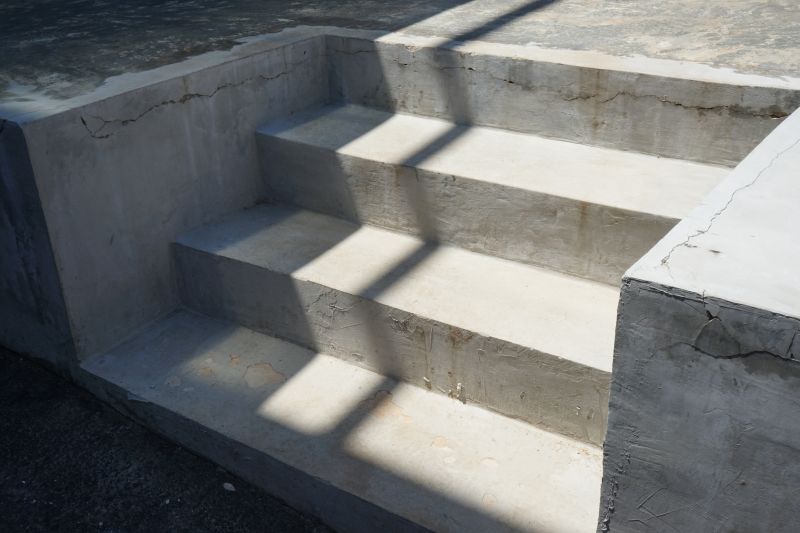

When searching for information on ADA considerations for commercial concrete walks and steps, most people are typically interested in ensuring that outdoor pathways and entryways meet accessibility standards. These considerations are crucial for businesses, government buildings, and other commercial properties that serve the public. The focus often revolves around creating safe, smooth, and unobstructed routes that accommodate individuals with mobility challenges, including those who use wheelchairs, walkers, or have other impairments. Property owners may be planning new installations or modifications to existing walkways and steps to comply with ADA guidelines, aiming to improve access and avoid potential legal issues.
This topic relates to a variety of problems and planning needs. For example, uneven surfaces, steep inclines, or improperly designed steps can create barriers for wheelchair users or people with limited mobility. Property owners might be working on projects that involve replacing or upgrading old concrete walks and steps that no longer meet current standards. Additionally, considerations include the proper placement and size of ramps, the slope of walkways, and the height and width of steps. Local contractors specializing in ADA-compliant concrete work can help evaluate existing conditions and design solutions that align with accessibility requirements, ensuring that commercial properties are both compliant and user-friendly.
The types of properties that typically come up in discussions about ADA considerations for concrete walks and steps include retail stores, office buildings, healthcare facilities, government offices, and multi-family residential complexes. These properties often have high foot traffic and are required to provide accessible routes for all visitors and employees. Commercial properties with outdoor entrances, loading areas, or patios also need to address ADA compliance. Homeowners or property managers involved in small-scale renovations or expansions may seek guidance on how to modify existing concrete features to better serve individuals with disabilities, making the property more inclusive and compliant with accessibility standards.
Local service providers who handle concrete installation and repair play a key role in addressing ADA considerations for commercial walks and steps. These professionals can assess the site, recommend appropriate modifications, and execute the work to meet ADA guidelines. They understand the importance of proper slope, surface smoothness, and step dimensions to ensure accessibility. By working with experienced contractors, property owners can be confident that their outdoor pathways will be safe, compliant, and functional for everyone. Connecting with local pros ensures that projects are completed with attention to detail and adherence to accessibility standards, helping property owners create inclusive environments that accommodate all visitors and users.
Accessible Pathway Construction - this involves designing and building ramps and walkways that meet ADA guidelines, requiring similar planning and concrete finishing skills as ADA-compliant walks and steps.
Commercial Staircase Renovations - upgrading commercial stairs to include accessible features like tactile warnings and proper handrails aligns with ADA considerations for safe, compliant steps.
Curb Ramps Installation - installing curb ramps that conform to ADA standards involves precise concrete work and understanding of accessibility requirements, similar to ADA concrete walk projects.
Sidewalk Repair and Replacement - replacing or repairing uneven or damaged sidewalks ensures compliance with ADA slope and surface smoothness standards, requiring skilled concrete work.
Parking Lot Accessibility Improvements - adding accessible parking spaces and connecting pathways involves planning and concrete work that adheres to ADA specifications for ease of access.
Public Entrance Modifications - modifying entrances to include accessible thresholds and ramps involves similar planning and concrete installation skills used in ADA-compliant walks and steps.

When evaluating service providers for ADA considerations for commercial concrete walks and steps, it is important to consider their experience with similar projects. Local contractors who have a history of working on ADA-compliant walkways and steps are more likely to understand the specific requirements and standards necessary for accessibility. Asking about past projects can provide insight into their familiarity with ADA guidelines and their ability to deliver solutions that meet both safety and compliance needs. An experienced contractor can help ensure that the installation process aligns with local regulations and best practices for accessible design.
Clear, written expectations are essential when selecting a contractor for ADA concrete walks and steps. A reputable service provider should be able to provide detailed proposals that outline the scope of work, materials to be used, and adherence to ADA standards. Having these expectations documented helps prevent misunderstandings and ensures that both parties are aligned on project goals. It also provides a reference point throughout the project, making it easier to address any issues that may arise and to confirm that the work performed meets the agreed-upon requirements for accessibility.
Reputable references and good communication are key factors in choosing the right local contractor for ADA considerations. Contractors with positive references from previous clients can demonstrate their ability to deliver quality work that meets accessibility standards. Additionally, effective communication throughout the project helps clarify expectations, address questions promptly, and ensure that the installation process proceeds smoothly. Service providers who prioritize clear, ongoing communication and have a track record of satisfied clients are more likely to provide a seamless experience and a finished product that aligns with ADA requirements for commercial concrete walks and steps.
Property owners often search for ADA considerations for commercial concrete walks and steps when they are planning practical projects around their homes and businesses. Local pros provide ADA Concrete Walks and Steps Installation services for everyday jobs and straightforward project options.


ADA considerations for commercial concrete walks and steps are an important aspect for property owners aiming to create accessible outdoor spaces. When planning or upgrading walkways and entryways, factors such as proper slope, width, and surface texture are crucial to ensure easy navigation for all visitors, including those with mobility challenges. Property owners might look up this topic when preparing for new construction projects or making improvements to existing properties, especially to meet accessibility standards and provide a welcoming environment for everyone.
Local contractors who specialize in ADA concrete walks and steps installation can help address these accessibility needs effectively. They understand the importance of adhering to guidelines that promote safety and ease of use, and can recommend suitable design modifications or installations that fit the specific layout of a commercial property. Connecting with experienced service providers ensures that concrete walkways and steps are built to be accessible, functional, and compliant with accessibility considerations.
What are key ADA considerations for commercial concrete walks and steps? ADA considerations for commercial concrete walks and steps include ensuring proper slope, width, and surface texture to facilitate accessibility for all users.
How do local contractors ensure ADA compliance when installing concrete steps? Local contractors follow ADA guidelines by designing steps with appropriate rise and run, installing ramps if needed, and ensuring handrails are accessible and secure.
Are there specific surface requirements for ADA-compliant concrete walks and steps? Yes, surfaces must be slip-resistant, smooth enough to prevent tripping, and free of obstructions to meet ADA standards for safety and accessibility.
Can existing concrete walks and steps be modified to meet ADA requirements? Yes, local service providers can modify existing structures by adding ramps, handrails, or surface treatments to improve ADA compliance.
What considerations are important for ADA-compliant concrete steps in commercial settings? Important considerations include proper height and depth of steps, slip-resistant surfaces, and the addition of handrails to support accessibility and safety.
Accessible Pathways - Incorporating ADA-compliant slopes and widths ensures commercial walks are navigable for all users, and local contractors can help design accessible routes that meet regulations.
Proper Step Design - Installing steps with uniform riser heights and contrasting tactile surfaces can improve safety and accessibility, with local pros guiding proper installation practices.
Surface Considerations - Choosing slip-resistant and smooth concrete surfaces helps prevent falls and makes walking easier for individuals with mobility challenges, supported by local service providers.
Clear Signage & Markings - Adding tactile indicators and clear visual cues on concrete steps and walks enhances navigation for those with visual impairments, with local contractors able to implement these features effectively.
If you are thinking about ADA considerations for commercial concrete walks and steps for a property, this guide is meant to help you understand this topic, the typical project types, and how different options might fit your plans.
When you are ready, you can use the quote form on this page to share a few details about your project. From there, local pros can review the basics and follow up with options that match what you have in mind.