Optimal Timing for Commercial Concrete
Determining the optimal time for commercial concrete installations depends on several environmental and project-specific factors. Proper timing ensures optimal curing, durability, and structural integrity of the concrete. The most suitable periods typically align with moderate temperatures and low precipitation, which facilitate proper setting and curing processes.
Concrete performs best in temperatures between 50°F and 85°F. Extreme cold or heat can hinder curing and compromise strength.
Spring and fall often provide the most favorable conditions, avoiding the extremes of summer heat and winter cold.
Rain, snow, and high humidity can delay or disrupt installation. Planning around weather forecasts minimizes delays.
Aligning installation with periods of low construction activity can improve efficiency and reduce disruptions.
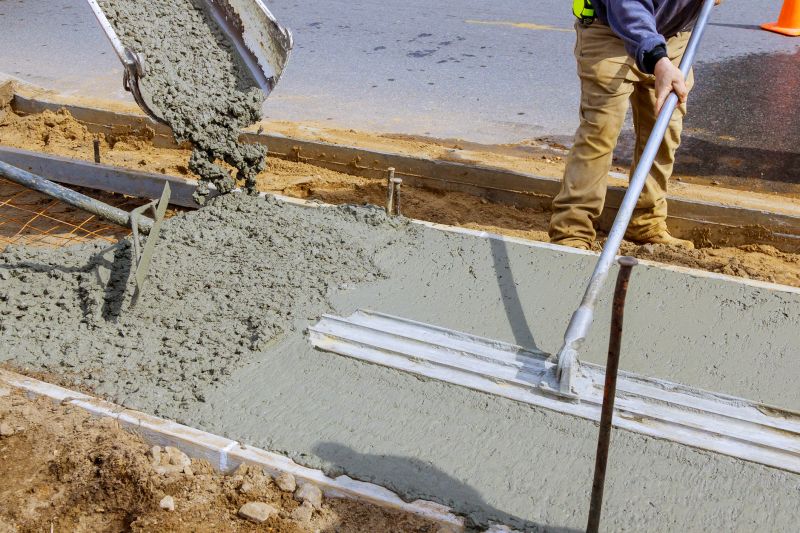
A crew pouring concrete during optimal weather conditions ensures quality results.
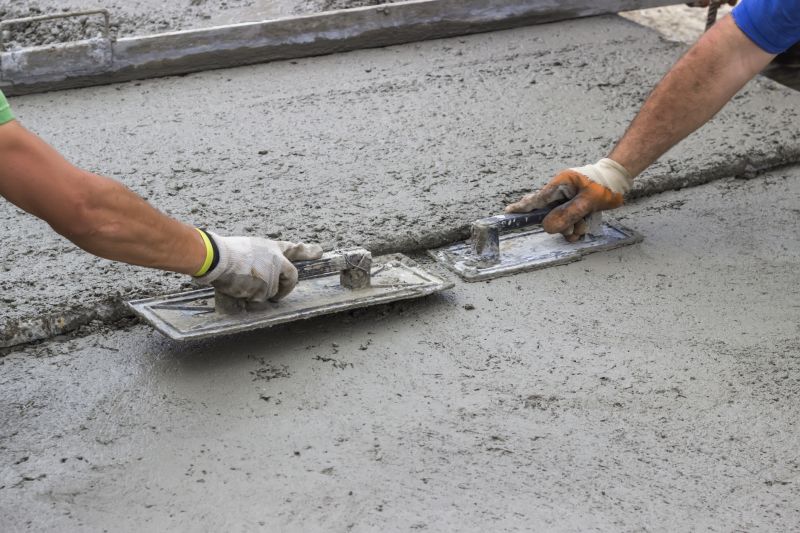
Scheduling during spring or fall reduces weather-related risks.
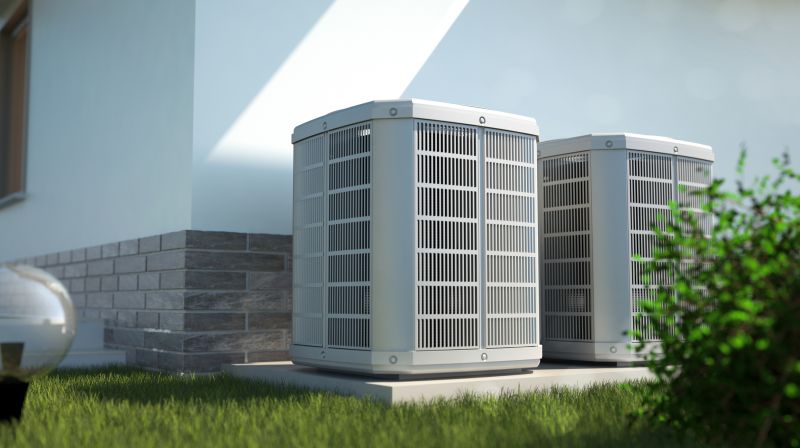
Using tents and heaters helps maintain ideal curing conditions.

Monitoring tools assist in maintaining the proper environment during installation.
| Season | Advantages |
|---|---|
| Spring | Moderate temperatures and lower precipitation |
| Summer | Longer daylight hours, but risk of high heat |
| Fall | Cooler temperatures, ideal for curing |
| Winter | Challenging due to cold and potential frost |
Commercial concrete installations require careful planning to ensure optimal results. Temperature, humidity, and weather conditions significantly influence the curing process and the long-term durability of the structure. Proper scheduling during favorable weather windows minimizes risks such as cracking, improper setting, or delays. Advances in technology, such as temperature control measures, can extend the feasible installation periods into less ideal seasons, providing flexibility for project timelines.
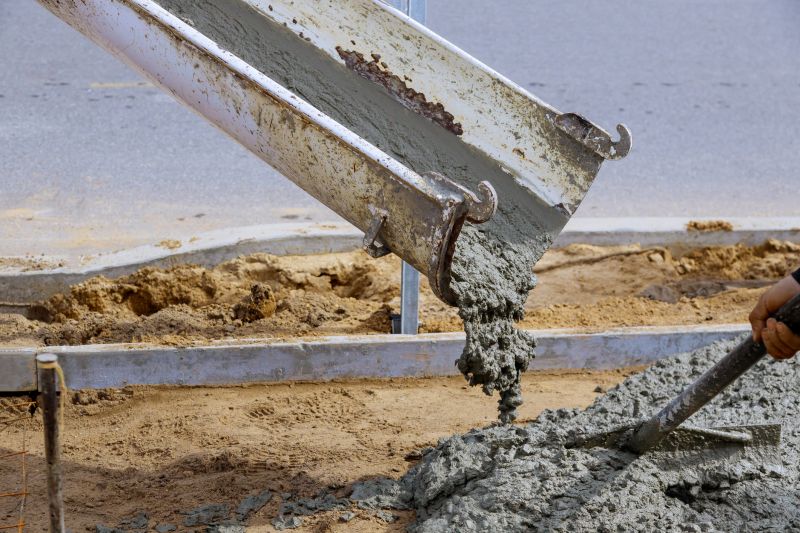
Optimal weather conditions support durable installations.
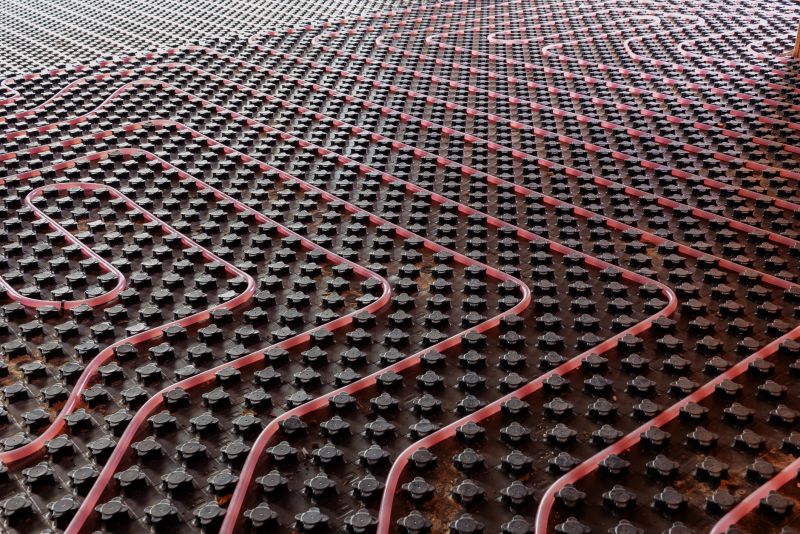
Maintains proper curing temperatures in colder months.
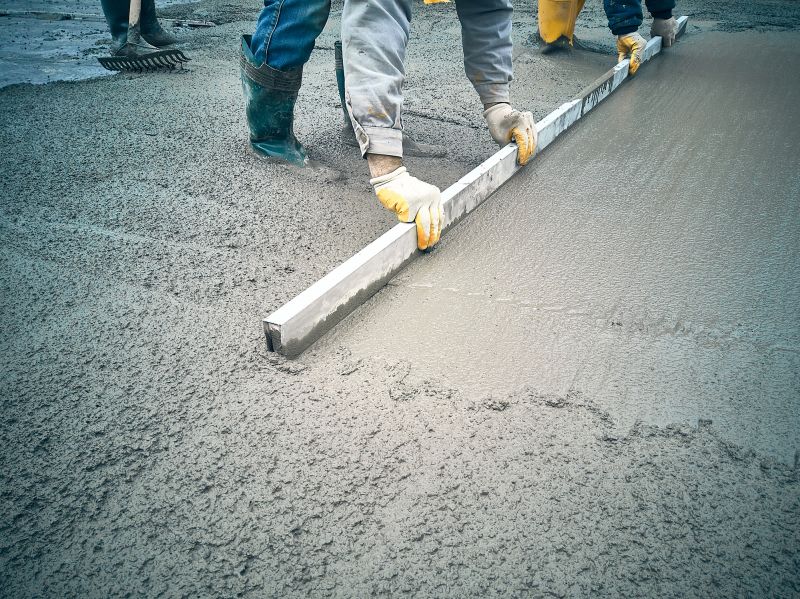
Aligning work with weather forecasts improves efficiency.

Ensure environmental conditions stay within ideal ranges.

Ways to make Commercial Concrete Installations work in tight or awkward layouts.

Popular materials for Commercial Concrete Installations and why they hold up over time.

Simple add-ons that improve Commercial Concrete Installations without blowing the budget.
Interested parties are encouraged to contact for more information about scheduling and planning commercial concrete installations. Proper timing can enhance the quality and longevity of the project, making early planning essential for successful outcomes.